Key Takeaways
- Black hat SEO uses manipulative tactics to game search rankings in the short term but risks devastating Google penalties. White hat SEO builds sustainable rankings through quality content and legitimate practices. This guide explains the key differences and why the choice matters enormously.
What is White Hat SEO?
White hat SEO refers to optimisation practices that comply with Google's Webmaster Guidelines. These strategies focus on providing genuine value to users through quality content, proper technical structure, and natural link building. White hat SEO builds sustainable rankings that withstand algorithm updates.
What is Black Hat SEO?
Black hat SEO uses tactics that violate Google's guidelines, attempting to manipulate rankings artificially. These tactics may produce quick results but carry the risk of Google penalties — which can remove a site from search results entirely.
Common Black Hat SEO Tactics (Avoid These)
Keyword Stuffing
Overloading a page with keywords unnaturally: "This is the best SEO tool. Our SEO tool is the best. The best SEO tool is our tool." Detected easily by modern Google algorithms. Results in ranking demotion.
Cloaking
Showing different content to search engines than to users. Bots see keyword-stuffed pages; users see normal pages. Severe violation — site banning risk.
Link Farms / Bought Links
Paying for links from low-quality link farms or participating in link schemes. Violates Google's guidelines. The Penguin algorithm specifically targets this. Can result in manual penalty.
Hidden Text
White text on white background, text behind images, or 1px text — hiding keywords that users can't see but bots once could. Detected by Google's rendering engine. No longer effective and penalised.
Content Scraping
Copying content from other websites and republishing without permission. Duplicate content issues, potential DMCA takedowns, and manual penalties.
Negative SEO
Attacking competitors with bad links, content scraping, or fake reviews. Unethical and often ineffective. Google is increasingly good at identifying artificial signals.
White Hat SEO Best Practices
- Create original, high-quality, comprehensive content
- Earn links naturally through outstanding content and outreach
- Optimise for users first, search engines second
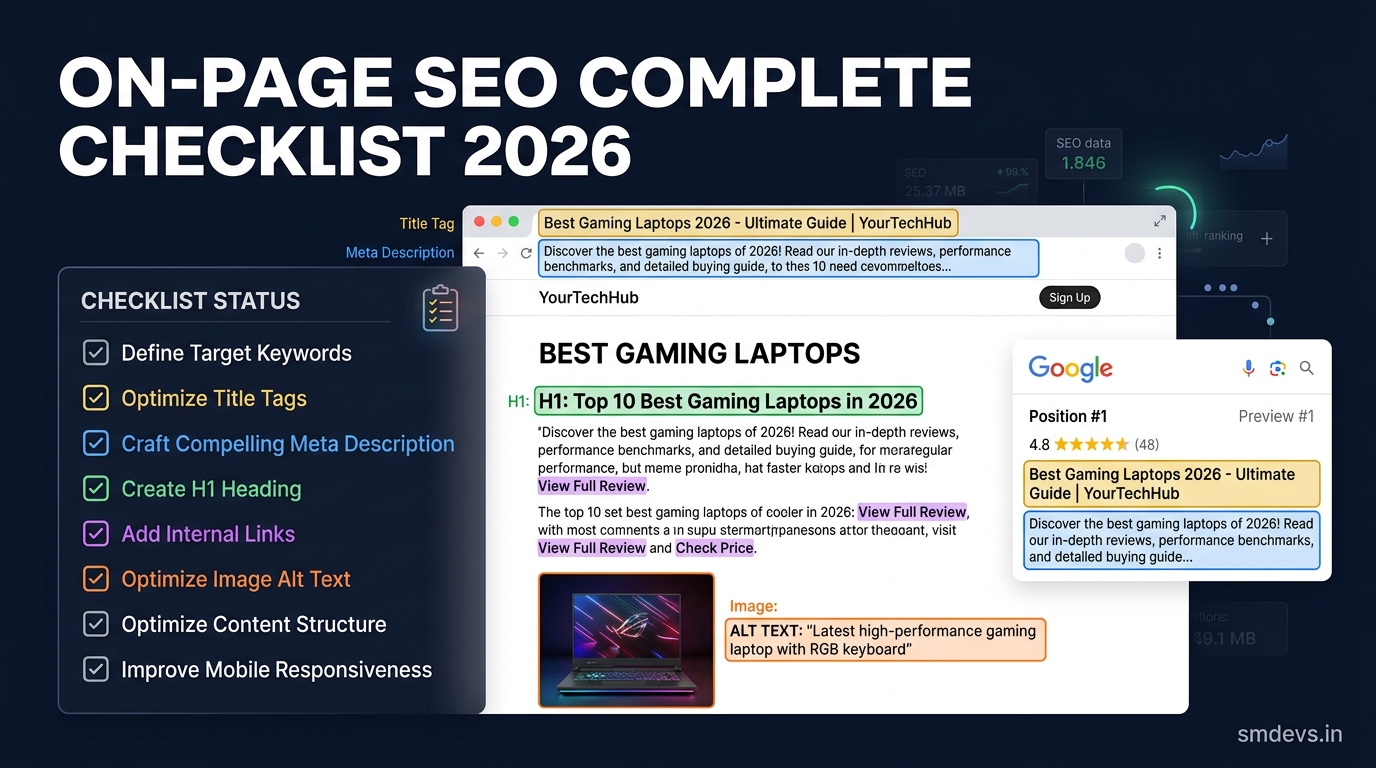
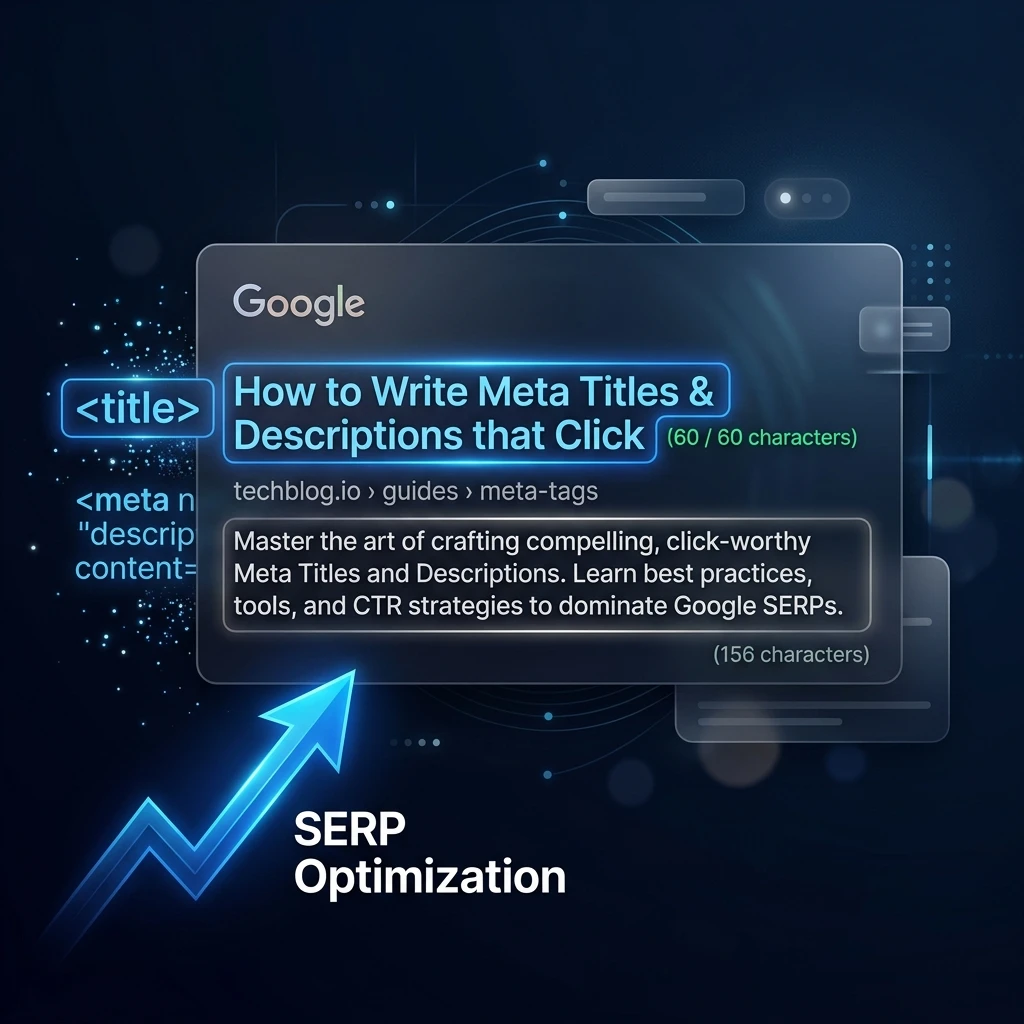
- Use proper on-page SEO: title tags, meta descriptions, heading structure
- Build a fast, mobile-friendly, accessible website
- Be transparent — what you show users and bots should be identical
Grey Hat SEO
Grey hat SEO sits between black and white — practices that bend but don't clearly break the rules:
- Aggressive guest posting for links (not inherently wrong but at scale, risks penalty)
- Buying expired domains for their backlink profile
- Aggressive interlinking between multiple own sites
- Aggressive anchor text optimisation
Grey hat tactics may work in the short term but carry risk as Google algorithm updates become more sophisticated.
The Long-Term Case for White Hat SEO
A black hat site might rank #1 for 3 months then get penalised to page 10, losing all revenue overnight. A white hat site with strong fundamentals withstands algorithm updates and compounds in authority over years.
In 2024–2026, Google's quality signals are sophisticated enough that most black hat tactics no longer work reliably — making white hat not just ethical, but more practical.